Homophone Pitfalls: Names That Cause Embarrassment
Chinese has an unusually high number of homophones. A name that looks elegant on paper can sound mortifying when spoken aloud.
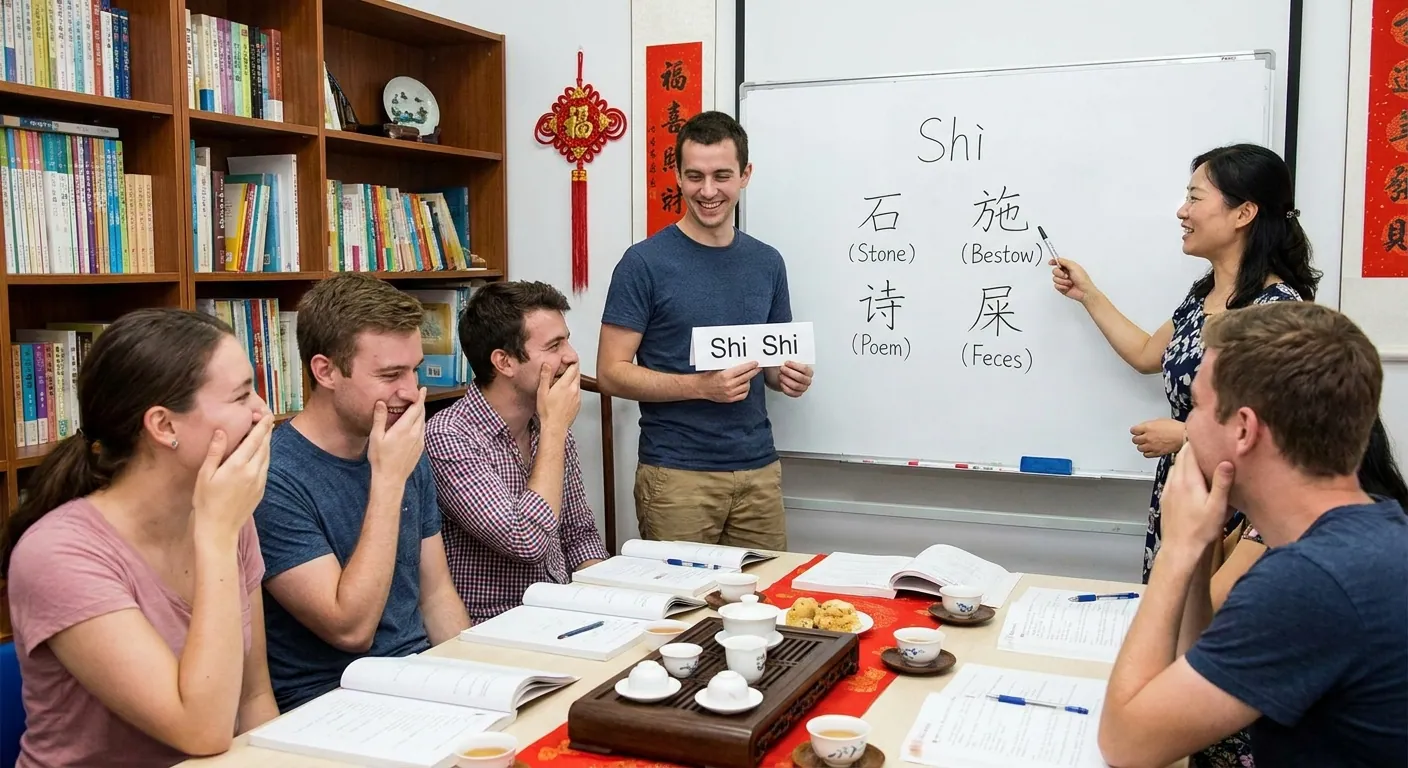
Chinese is a language unusually rich in homophones — a single syllable may correspond to dozens, even hundreds, of distinct characters. When naming in Chinese, then, you cannot look only at the literal meaning; you must also stay alert to homophones. Slip up, and a name that reads elegantly on the page can leave everyone within earshot trying not to laugh. For overseas readers, understanding "homophone avoidance" is one of the most practical — and most entertaining — lessons in Chinese naming culture.
▲ One unexpected homophone is enough to make handing over a business card awkward.
1. Why Are Homophones So Important?
When Chinese speakers hear a name, the first thing that registers is the sound, not the written form. If the name's pronunciation matches, or comes close to, an indelicate word, then no matter how elegant the characters look on paper, the name will be teased. This trap — "beautiful on the page, mortifying on the tongue" — catches even native Chinese parents from time to time.
2. Classic Homophone Disasters
Below are a few real-world homophone disasters (with identifying details removed):
杜子腾 (Dù Zǐténg) was meant to wish a child a vigorous, thriving growth. Read aloud, though, it sounds exactly like 肚子疼 (dǔzi téng) — "stomach ache."
史珍香 (Shǐ Zhēnxiāng) was meant to suggest something precious and fragrant. Read aloud, it sounds like 屎真香 (shǐ zhēn xiāng) — "excrement smells good."
魏生津 (Wèi Shēngjīn) was meant to convey abundant vitality. Read aloud, it sounds like 卫生巾 (wèishēngjīn) — "sanitary napkin."
傅岩杰 (Fù Yánjié) was meant to say "outstanding as a rock." Read aloud, it sounds like 妇炎洁 (fùyánjié), a well-known feminine hygiene product.
杨伟 (Yáng Wěi) was meant to convey masculine greatness. Read aloud, it sounds like 阳痿 (yángwěi) — "impotence."
Each of these names looks perfectly proper on paper. The moment it is spoken aloud, though, the laughter becomes hard to suppress. The flaw is not in the characters — it is in the sound.
3. A Homophone Self-Check Checklist
To avoid embarrassment, run a name through the following steps after choosing it:
Step one: read it aloud three times. Say the surname and given name together at a normal pace, three times, and listen for any echo of an indelicate word.
Step two: try it in a dialect. Chinese has many regional dialects, and some homophones appear only in a particular dialect. If the name will be used nationwide, read it once in Standard Mandarin and once in each major dialect.
Step three: ask native speakers. Non-native name-choosers in particular should have at least two or three native Chinese speakers "pick holes" in the name. They will often spot homophone problems you would never notice on your own.
Step four: check internet memes. New memes appear online at dizzying speed, and certain character combinations may already be bound to a popular joke. A quick search before you commit can spare you a freshly minted pitfall.
In a word: half of a Chinese name's quality lies in its characters, and half in its sound. The characters are for the eyes; the sound is for the ears. Only when both pass can a name truly stand the test of being used.
Ready to find your Chinese name?
Apply what you've learned — generate a meaningful Chinese name in seconds.
Generate My Name